Vans typically come in three main heights (H) four main lengths (L) and a variety of widths giving a range of combinations to suit as many purposes as possible. Firstly let’s cover lengths commonly referred to as wheelbase (the distance between the front and rear wheels or axles). It’s worth knowing that the length code of the van is for the relative length of the van i.e. short, medium, long or extra long and not a specific standard length across all manufacturers, makes and models. This means that a medium wheelbase Ford Transit and a medium wheelbase Mercedes Sprinter van will not necessarily be the same length.
Van Wheelbase Options
Short Wheelbase (SWB) some people also call this a shorty and it is technically referred to as an L1 (Length One) the shortest possible van length you can buy.
Medium Wheelbase (MWB) technically referred to as an L2 (Length Two) the second shortest van you can buy.
Long Wheelbase (LWB) technically referred to as an L3 (Length Three) the third longest option of van you can buy.
Extra Long Wheelbase (XLWB) technically referred to as L4 (Length Four).
Van Height Options
Van heights follow a similar pattern:
H1=Standard
H2=Medium Height (also known as high top)
H3=High Top (also known as extra height).
Van Widths
Vans come in a variety of widths and shapes. Some of the wider vans include the Fiat Ducato, Peugeot Boxer and Citroen Relay. These are often chosen as a base van for anybody looking to sleep width ways. Other vans can be used for sleeping width ways subject to your height. Narrower vans can also be ‘widened’ by having flares installed to add approx 100 mm extra at each side of the van.
It’s fairly common to see a van that’s a L1,H1 = Short Wheel Base, Standard Height Van as much as it is to see a L3, H3 van = Long Wheel Base, High Top. There are a range of combinations out there including L1,H3 & L2, H3 versions too.
There are pros and cons to each combination of van which we’ve attempted to summarise but you should think about why you’re building a van, when and where you’re going to be using it, who’s going to need to travel, dine and sleep in the van (or what berth you need the van to be) thinking about these things might help you understand the size of van you need.
A shorter van is generally more manoeuvrable and has a better turning circle. It would therefore be more preferable as a ‘daily driver’ on the off chance that you don’t have a separate car. You can still visit the places you would normally go to in a car and to park easily in standard parking spaces. The longer the van or wheelbase the more restrictions there will be. A higher van can also mean more restrictions. On the flip side the shorter the van the less space there is, and the less headroom there is. If you’re over 6ft (like me) you might want a taller van or consider installing a ‘pop top.’
Whatever size of van you decide to go for we’d recommend checking to see if there’s a reversing camera and if there isn’t, either fit one or get one installed. This was one of the first and one of the best upgrades we made to our van to remove any nervousness of driving a big vehicle. If you choose a tall van remember to measure and understand the total height of the van including any additional height created by accessories for roof racks and kit that’s mounted on top of the van.

Short
Wheelbase
Also known as SWB or L1

Extra Long Wheel Base
Also known as XLWB or L4
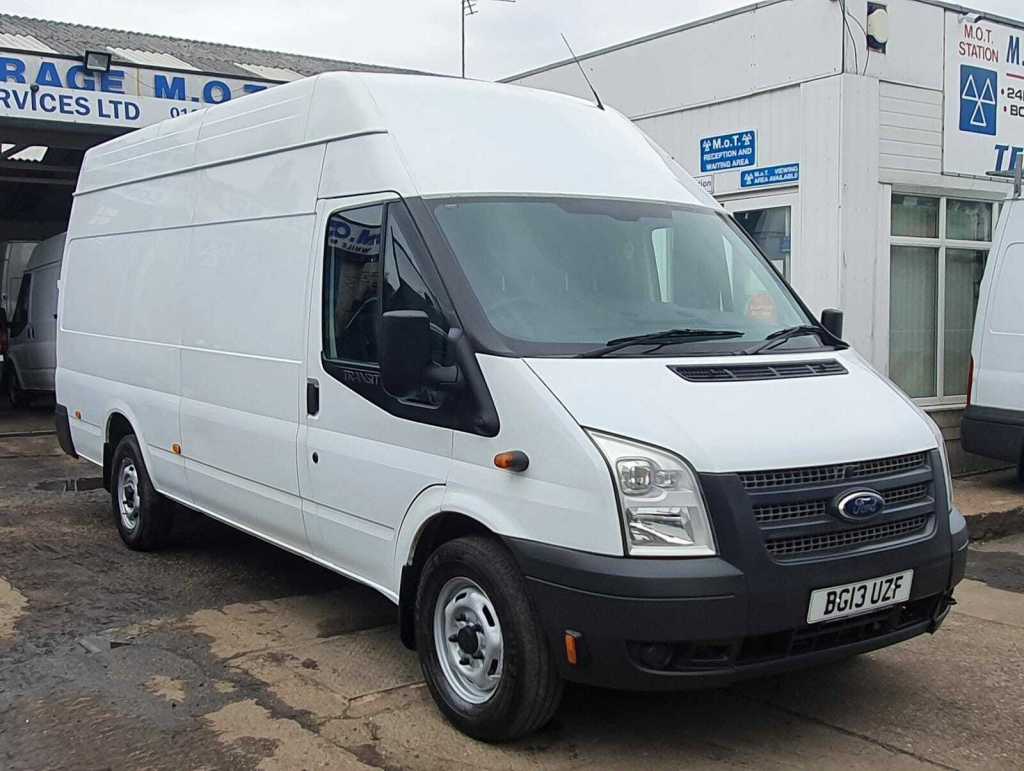
High Top
Also known as H3

Medium Wheelbase
Also known as MWB or L2

Standard Height
Also known as H1 – note the height of the roof is in line with the top of the windscreen

Long
Wheelbase
Also known as LWB or L3
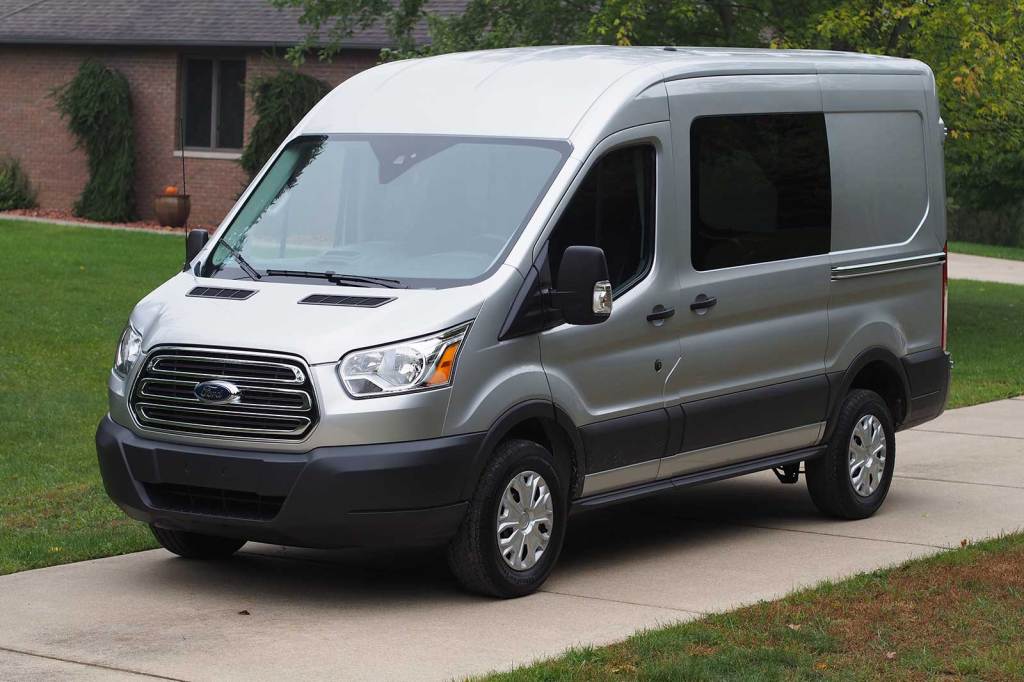
Medium Height
Also known as H2
 Adventure Campervans. Camper van information and products. Sheffield.